Meme coin trading explained through a top trader's live session and its real risks
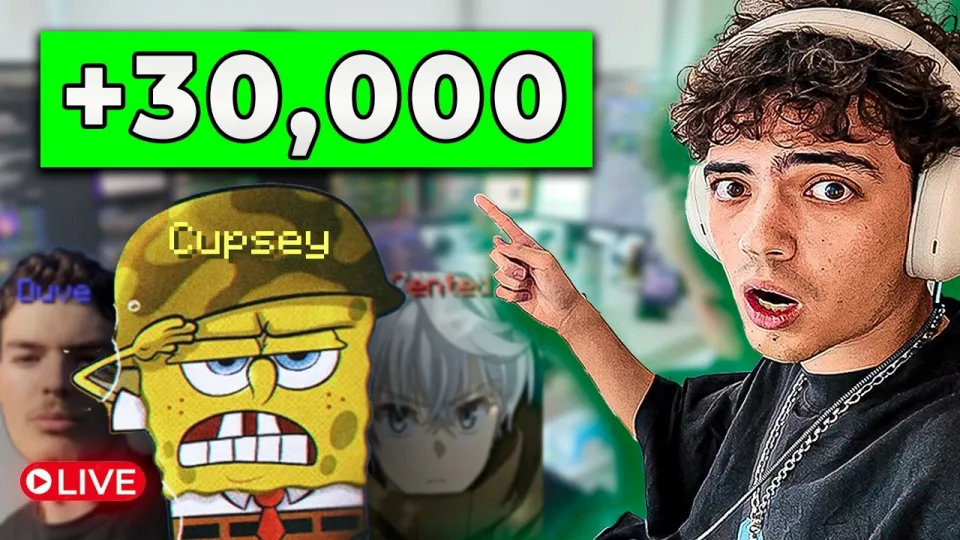
Video: I Traded With The World’s #1 Memecoin Trader
You can order the same kind of articles for your own video to boost it on YouTube and Google. Just message the Telegram bot @sat_sit_bot. It writes articles around your video, embeds the video and publishes them on popular niche websites (no ads). Free trial — 50 articles.
· based on the channel Ethan Prosper
Key takeaways
- The featured session is a Solana memecoin run on the Padre terminal, with trades on Lobo, Cheese Coin, an Elon/Grok-themed coin, Magic Internet Money and Mosaic AI.
- Reported results in the video include roughly +200 SOL on the first trades, about +$15K on the Grok-themed coin and around +80 SOL on Mosaic AI.
- The style shown is high-frequency 'trench' trading: 10+ hour sessions, fast entries on new pairs and constant position management.
- Viewers flagged multi-wallet activity and full-port sizing on KOL-backed coins as the main fairness and risk concerns.
- Most traders do not need this style: larger, more liquid coins and slower strategies can produce results with far less screen time.
A meme coin is a cryptocurrency whose value is driven mainly by community attention, internet culture and social momentum rather than by cash flow or a product roadmap. The clearest way to see how that market actually works is to watch a professional operate: in the Ethan Prosper video “I Traded With The World’s #1 Memecoin Trader”, the host and trader Cupsey run a live Solana session on the Padre trading terminal, opening positions in new pairs and closing them within minutes. The session shows both the upside — reported gains of roughly 200 SOL on the first trades — and the mechanical, screen-bound nature of the work behind those numbers.
What a professional meme coin session actually looks like
A professional meme coin session is a sequence of fast, small-conviction bets on freshly launched Solana tokens, sized so that a single loss cannot end the day. In the video the traders move through a handful of names — Lobo, a token called 1%, Cheese Coin, an AI-themed “cook” coin, an Elon/Grok-themed coin, Magic Internet Money and Mosaic AI — with each position opened, monitored and exited inside a short window. The reported outcomes include about +200 SOL across the opening trades, roughly +$15K on the Grok-themed coin and around +80 SOL on Mosaic AI.
What separates this from casual buying is process rather than prediction:
- Speed of entry. New pairs are evaluated and bought within seconds of launch, before the chart has any history.
- Position sizing. Capital is split so that a full loss on one coin is survivable; the traders are not betting the account on a single launch.
- Exit discipline. Profits are taken into strength rather than held for a narrative target, which is why the session is a stream of small and medium closes instead of one big hold.
- Tooling. A dedicated terminal aggregates liquidity, holder data and execution in one screen, which matters when a token's entire liquid life can be a few minutes.
Why meme coin prices move the way they do
Meme coin prices are driven by liquidity and attention, not by earnings, so the mechanics of a launch matter more than any fundamental story. On Solana launchpads such as Pump.fun, a token can be created and traded within minutes, with a bonding curve providing early liquidity until the token graduates to a decentralized exchange. That structure produces three recurring patterns:
- Thin early liquidity. Small buys move price violently in both directions, which is why early entries can show large percentage gains that are hard to realize at size.
- Holder concentration. A handful of wallets often control a large share of supply; when they sell, the chart does not recover.
- Narrative decay. Attention on a single ticker typically fades within hours or days, so a coin that looks strong at minute ten can be illiquid by the next session.
Understanding these three forces explains why the traders in the session treat every position as a trade with a defined exit rather than an investment.
The tools and terms behind the trades
A memecoin trading terminal is software that combines token discovery, charting, wallet tracking and order execution for on-chain markets. The session runs on Padre, which is linked in the video description as the terminal used for execution; other tools in this niche include Axiom and BullX, and the workflow is broadly similar across them. Key terms that come up repeatedly:
- Trenches. The high-frequency environment of brand-new pairs, where most of the session's activity happens.
- Dev coin. A token where the original developer wallet still holds a meaningful share of supply, creating a specific risk of a sudden sell.
- KOL coin. A token promoted by a known account; buyers pile in on the endorsement, which concentrates both attention and exit risk.
- Faucets. Small, frequent profit-taking moves that recycle capital back into the next trade instead of leaving it parked in one position.
- Copy trading. Mirrored execution that follows another wallet's buys and sells, which is faster but removes your own risk control.
None of these tools remove the core problem: on-chain execution is public, so a fast wallet can be front-run by anyone watching the same data.
The risks viewers keep raising about meme coin trading
The most common objection to sessions like this is structural: the traders being watched may be operating multiple wallets and selling into the buyers who follow them. That concern is legitimate and worth taking seriously. A visible wallet's buys attract copy traders, and the same operator can hold supply across several addresses, which means the audience can become the exit liquidity for a position they cannot see.
Other risks that show up in the same discussion:
- Full-port entries. Buyers who put their entire balance into a single KOL-backed coin have no capital left to average or recover.
- Survivorship bias. A recorded session shows the winning trades; the losing days are not streamed, so the visible win rate is not the real one.
- Time cost. This style is a 10-plus hour working day in front of a screen, which is a job rather than a side activity.
- Slippage and fees. On thin pairs, the price you see is not the price you get, and repeated small trades accumulate costs.
A reasonable conclusion from the session is not that the strategy is easy, but that the operators are treating it as a full-time, risk-managed business.
How to approach meme coins with a realistic plan
A realistic meme coin plan starts from the assumption that most new tokens go to zero and sizes every position accordingly. A practical framework:
- Set a separate speculative budget. Use only capital whose complete loss would not change your finances, and keep it apart from long-term holdings.
- Cap single-position size. Many experienced traders risk a small fixed percentage per trade rather than a fixed dollar amount, so a losing streak does not compound.
- Prefer liquidity over novelty. Larger, more established coins move more slowly but let you exit at the price on screen.
- Define the exit before entry. Decide the profit level and the invalidation point first; the session's traders close into strength rather than waiting for a story to play out.
- Track results honestly. Log every trade, including the losers, because the recorded highlights are not a performance record.
For most people, the more durable approach is to trade larger coins with slower strategies and treat new-pair trading as entertainment rather than income.
Useful links
- Padre terminal used for execution in the session
- Ethan Prosper's links and resources
- Cupsey on X
- SOLMAFIA Discord community
- Pastel paid community
What the session teaches about meme coin trading
The value of watching a top trader work is calibration rather than imitation: the numbers are large, but so is the screen time, the tooling cost and the number of unshown losing trades. The session demonstrates that meme coin trading is an execution and risk-management discipline, not a shortcut, and that the fastest style in the market is also the most demanding. Anyone considering it should start with position sizing and exit rules, not with a new terminal subscription. The breakdown comes from the Ethan Prosper channel, which documents live Solana trading sessions; if you want to follow the same workflow, you can start with the Padre terminal registration and paper-trade the process before committing real capital.
Source: I Traded With The World’s #1 Memecoin Trader · Markdown version
Questions & answers
How much capital do you need to start trading meme coins?
There is no fixed minimum, but the practical constraint is position sizing: a single trade should be small enough that a total loss does not affect your finances. Most experienced traders risk a small fixed percentage of a dedicated speculative budget per trade. Starting with a small balance and logging results is more useful than starting with a large one.
Is meme coin trading on Solana profitable for beginners?
For most beginners it is not, because the style shown in high-level sessions requires full-time screen attention, fast tooling and strict exit discipline. New pairs have thin liquidity, concentrated holders and rapid attention decay. Slower strategies on larger coins are a more realistic starting point.
What is a dev coin or a KOL coin?
A dev coin is a token where the original developer wallet still holds a meaningful share of supply, which creates sudden sell risk. A KOL coin is promoted by a known account, so buyers pile in on the endorsement and the exit can be crowded. Both require checking holder distribution before entry.
Should you copy trade a top meme coin trader's wallet?
Copy trading mirrors another wallet's execution, which is fast but removes your own risk control, and the copied wallet may hold supply across addresses you cannot see. If you use it, cap the amount allocated and treat it as one position among several rather than the whole strategy.