Rug Pull Explained How to Identify and Avoid Scam Meme Coins
· based on the channel New brand channel
Key takeaways
- Rug pulls are pre-planned exit scams coded into smart contracts from launch.
- Engineered tokenomics manipulate supply and emissions to enable a final dump.
- Fake locked liquidity pools create illusions of security for investors.
- Admin backdoors grant total control to scammers despite appearing safe.
- Kill switch code activates once TVL peaks, triggering sudden collapse.
Understanding What a Rug Pull Is
A rug pull is a malicious crypto scam where developers create a token with hidden exit strategies coded into the smart contract from inception. These scams are not random failures but precision-engineered to defraud investors by manipulating liquidity and tokenomics, culminating in a sudden dump that leaves holders with worthless tokens. Recognizing the patterns behind rug pulls is crucial for anyone trading or investing in meme coins or other crypto assets.
Engineered Tokenomics Behind Rug Pulls
Scam tokens typically feature tokenomics designed to maximize profits for the fraudsters at the expense of investors. This includes:
- Inflated Token Supply: Large initial supplies that allow developers to control significant portions.
- Emission Schedules: Gradual token releases that create artificial hype and pump prices before the dump.
- Dump Mechanisms: Code that triggers massive token sales once liquidity peaks, crashing the price.
These engineered tokenomics ensure the scammers can extract maximum value before abandoning the project.
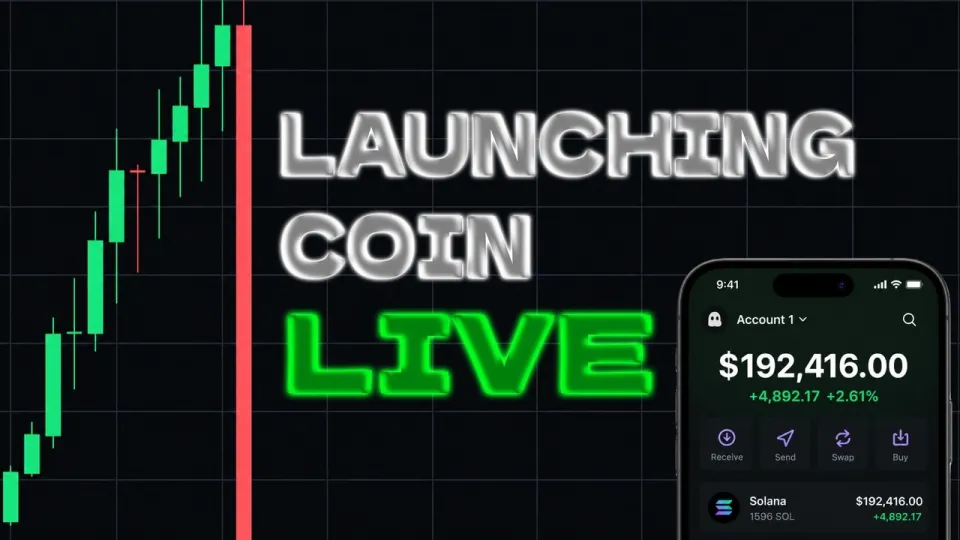
Video: Rug Pull Guide How to Launch a Meme Coin Step-by-Step
Liquidity Pool Illusions and Fake Locks
Liquidity pools (LPs) are vital for token trading, but rug pull scammers exploit this by creating fake or illusionary locked pools:
- Fake Locked Pools: Smart contracts that appear to lock liquidity but actually allow developers to withdraw funds at will.
- Hidden Dependencies: Pools that depend on unstable or developer-controlled tokens, making liquidity extraction seamless.
- Dexscreener Tracking: Tools can sometimes detect suspicious liquidity movements, but scammers often hide these through complex contract designs.
Investors must verify genuine liquidity locks through reputable platforms and on-chain analysis.
Admin Backdoors and Permissions Concealed in Code
One of the most dangerous features in rug pull contracts is the presence of admin backdoors:
- Hidden Admin Controls: Permissions embedded in the smart contract that grant developers full control over token functions.
- Upgradeable Contracts: Contracts that can be altered post-launch to add malicious code or change token behavior.
- Kill Switch Logic: Code that remains dormant until certain conditions, like total value locked (TVL) peaks, then activates to facilitate the exit scam.
Even if a contract appears audited or safe, these backdoors can undermine investor security.
Forensic On-Chain Analysis to Spot Red Flags
Before investing, analyzing on-chain data can reveal warning signs of rug pulls:
- Unusual Token Distribution: Large allocations to developer wallets.
- Liquidity Withdrawal Patterns: Sudden or large liquidity removals.
- Contract Source Code Review: Checking for suspicious functions or permissions.
- TVL and Volume Spikes: Rapid increases followed by sharp drops.
Using analytics tools and understanding these signals can help investors avoid becoming exit liquidity.
Common Questions and Misconceptions About Rug Pulls
Many investors confuse rug pulls with failed projects or hacks. However, rug pulls are deliberate scams with premeditated exit strategies. Some believe locking liquidity guarantees safety, but fake locks are widespread. Also, not all meme coins are scams, but many utilize similar tactics to lure investors quickly. Awareness and technical due diligence are key to navigating this landscape safely.
Useful Links
- Official educational website and tools for launch and security analysis: https://launch-tool.org
Conclusion
Rug pulls are sophisticated exit scams that exploit engineered tokenomics, fake liquidity locks, and concealed admin controls to defraud investors. By understanding these tactics and performing forensic on-chain analysis, traders and developers can better protect themselves from becoming victims. The detailed breakdown and continuous updates by the New brand channel provide valuable insights into detecting these scams early. For further learning and tools, visit https://launch-tool.org to enhance your crypto security knowledge and avoid rug pulls effectively.
Source: Rug Pull Guide How to Launch a Meme Coin Step-by-Step · Markdown version
Questions & answers
What exactly is a rug pull in crypto trading?
A rug pull is a scam where developers create a crypto token with hidden exit strategies, allowing them to withdraw liquidity suddenly and leave investors with worthless tokens.
How can I recognize the signs of a rug pull before investing?
Look for engineered tokenomics favoring developers, fake liquidity locks, suspicious admin permissions, unusual token distributions, and sudden liquidity withdrawals on-chain.
Are locked liquidity pools always safe from rug pulls?
No, some rug pulls use fake locked pools that appear secure but allow developers to withdraw funds, so verifying locks via trusted platforms is essential.
Can audits guarantee that a token is free from rug pull risks?
Audits can miss hidden admin backdoors or kill switch code that scammers embed; therefore, audits alone do not guarantee safety, and continuous due diligence is necessary.